Back to Basics: A Complete Guide to Traditional Skills
As of today, May 4th, 2026, a critical situation unfolds: invaluable traditional crafts face extinction, demanding immediate action to safeguard these generational legacies and connect them to contemporary life․
The erosion of traditional skills represents a significant cultural loss, disconnecting us from centuries of accumulated knowledge and ingenuity․ These aren’t merely antiquated techniques; they embody a deep understanding of materials, processes, and a sustainable way of life․ A veteran South Korean craftsman recently voiced concerns about this very issue, highlighting the urgent need for preservation efforts․
These skills, some millennia old, are vanishing due to dwindling practitioners․ This isn’t simply about losing crafts like weaving or blacksmithing; it’s about losing a connection to our heritage, resourcefulness, and the tangible satisfaction of creating with our hands․ The ultimate tool kit, passed down through generations, is at risk․ Preserving these skills fosters creativity, self-sufficiency, and a deeper appreciation for the artistry embedded within everyday objects․ Ignoring this decline diminishes our cultural richness and limits future innovation․
What are Traditional Skills? Defining a Vanishing Heritage
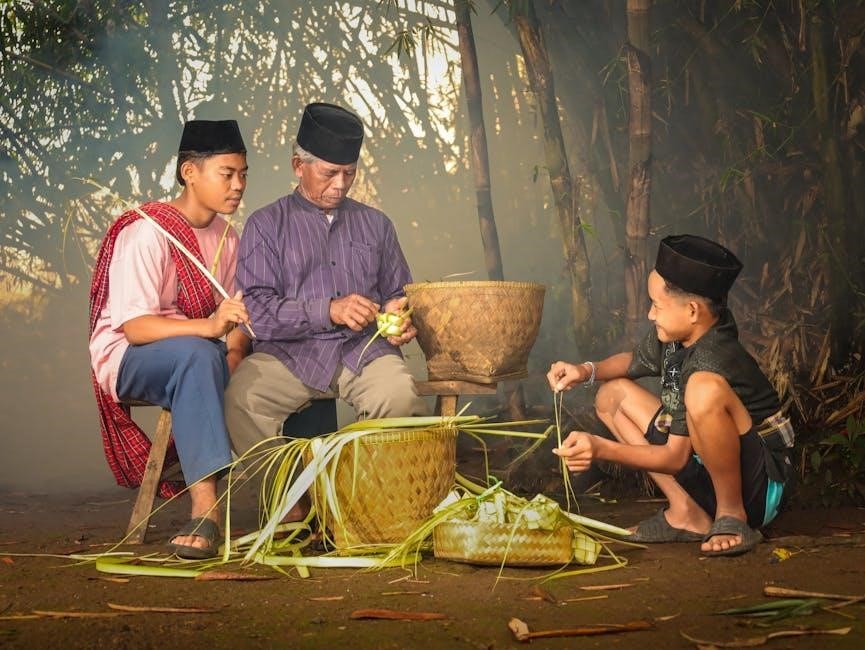
Traditional skills encompass a vast array of practices – from woodworking and textile arts to metalworking, food preservation, and building techniques – passed down through generations, often orally or through apprenticeships․ They represent a tangible and intangible heritage, reflecting a community’s unique relationship with its environment and resources․
These skills are characterized by their reliance on manual dexterity, locally sourced materials, and a deep understanding of natural processes․ They predate mass production and often prioritize quality, durability, and artistry over speed and efficiency․ As fewer people practice them, these skills are increasingly defined as a “vanishing heritage,” facing extinction due to modernization and globalization․ The intricate embroidery seen in Chinese cab pendants exemplifies the artistry at stake, a testament to skills needing urgent safeguarding․
The Global Decline of Traditional Crafts: A Looming Crisis
A concerning trend is sweeping across the globe: the rapid decline of traditional crafts․ This isn’t merely a loss of quaint hobbies; it’s a cultural erosion with far-reaching consequences․ Veteran craftsmen, like those in South Korea, are sounding the alarm, warning that invaluable skills are disappearing as fewer individuals choose to learn and practice them․
The factors driving this crisis are multifaceted, including the allure of modern careers, the availability of mass-produced goods, and a lack of economic incentives for preserving these crafts․ Without intervention, these skills – some millennia old – risk becoming lost forever․ This loss impacts cultural identity, sustainable practices, and the unique knowledge embedded within these traditions, demanding urgent reforms and renewed interest․
Core Traditional Skills & Techniques
Delving into essential practices, we explore woodworking, textile arts, and metalworking – foundational crafts requiring dedication, precision, and a deep understanding of materials and techniques․
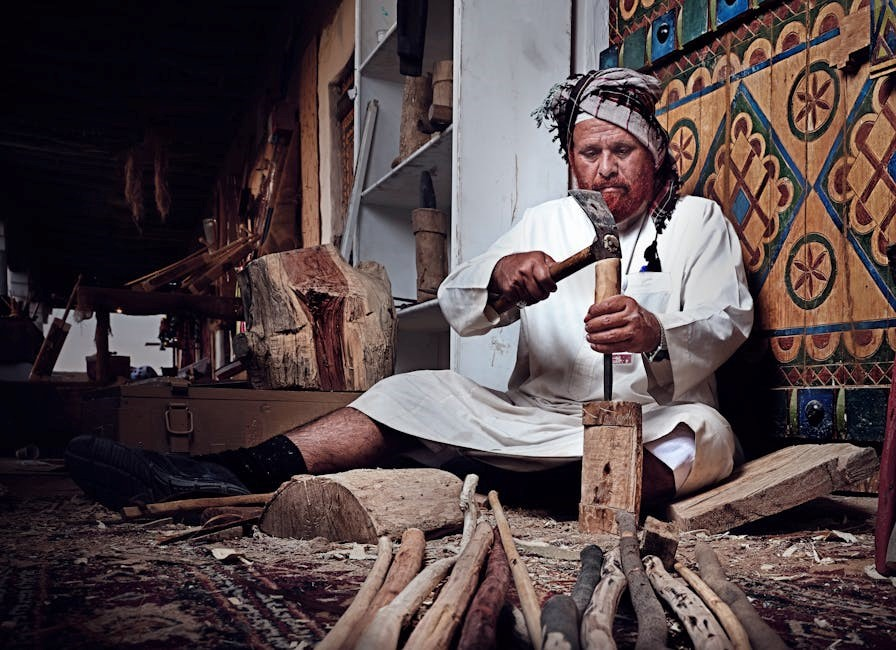
Woodworking: From Basic Joinery to Furniture Making

Woodworking represents a cornerstone of traditional skills, evolving from simple necessity to refined artistry over millennia․ Mastering basic joinery – techniques like dovetailing, mortise and tenon, and lap joints – forms the essential foundation for any aspiring woodworker․ These methods, perfected through generations, ensure structural integrity and aesthetic appeal․
Progressing beyond basic joints allows for the creation of functional and beautiful furniture․ Traditional woodworking emphasizes handcraftsmanship, utilizing tools like hand saws, chisels, and planes to shape and refine the wood․ This contrasts sharply with modern, power-tool driven approaches, though both have their place․
The enduring appeal of woodworking lies in its tangible connection to nature and the satisfaction of creating lasting, useful objects with one’s own hands․ It’s a skill demanding patience, precision, and a respect for the material itself․
Hand Tool Woodworking vs․ Power Tools: A Comparison
The debate between hand tools and power tools in woodworking often centers on speed, precision, and the connection to tradition․ Power tools undeniably offer efficiency, rapidly shaping and joining wood, making them ideal for large-scale projects or tight deadlines․ However, this speed can sometimes come at the cost of finesse and control․
Hand tools, conversely, demand a slower, more deliberate approach․ They require greater skill and physical effort, fostering a deeper understanding of the wood’s properties and the nuances of each cut․ This method prioritizes precision and allows for intricate detailing often difficult to achieve with power tools․
Ultimately, the “better” approach depends on the project and the woodworker’s goals․ Many embrace a hybrid approach, leveraging the strengths of both to achieve optimal results, honoring both efficiency and craftsmanship․
Textile Arts: Weaving, Spinning, and Dyeing
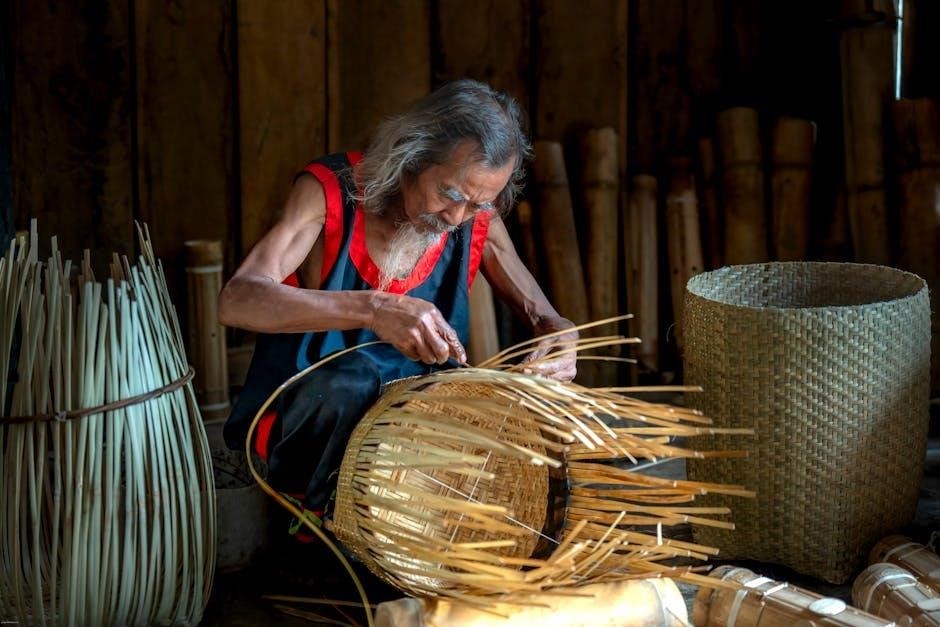
Textile arts represent a cornerstone of traditional skills, encompassing the creation of fabrics from fibers through weaving, spinning, and dyeing․ Historically, these weren’t merely crafts but essential skills for survival, providing clothing, shelter, and cultural expression․ Spinning transforms raw fibers – like wool, cotton, or flax – into yarn, a foundational step for weaving․
Weaving then interlaces these yarns to create cloth, utilizing looms ranging from simple hand-operated frames to complex mechanical devices․ Dyeing adds color and pattern, traditionally achieved through natural sources․ The preservation of these skills is vital, as they represent a vanishing heritage․
Reviving these arts connects us to ancestral knowledge and promotes sustainable practices, offering alternatives to mass-produced textiles․
Natural Dyeing Techniques: Utilizing Plants and Minerals
Historically, vibrant colors weren’t sourced from synthetic chemicals, but from the natural world․ Natural dyeing techniques utilize plants, minerals, and even insects to impart color to textiles․ Common plant sources include madder for reds, woad for blues, and weld for yellows․ Mineral pigments, like ochre and umber, provide earthy tones․
The process involves careful preparation of both the fiber and the dye material․ Mordants – substances like alum or iron – are crucial for fixing the dye and ensuring colorfastness․ Different mordants can also shift the resulting hue, adding complexity․
Reviving these techniques offers a sustainable alternative to synthetic dyes, reducing environmental impact and reconnecting us with ancient traditions․
Metalworking: Blacksmithing, Silversmithing, and More
Metalworking encompasses a diverse range of traditional crafts, from the robust strength of blacksmithing to the delicate artistry of silversmithing․ Blacksmiths historically shaped iron and steel using heat and hammer, creating tools, weapons, and architectural elements․ Silversmiths, meanwhile, focused on more precious metals, crafting jewelry, tableware, and decorative objects․
Beyond these, metalworking includes coppersmithing, tinsmithing, and goldsmithing, each with unique techniques and applications․ These skills were essential for daily life, providing functional and beautiful items․

Today, a renewed interest in metalworking celebrates both the practical and artistic aspects of these enduring crafts, preserving a vital part of our heritage․
Forging Techniques: Shaping Metal with Heat and Hammer
Forging, the cornerstone of traditional metalworking, relies on manipulating metal through localized compressive forces – essentially, heating and hammering․ The blacksmith first heats the metal in a forge, making it malleable․ Then, using an anvil as a base, various hammer blows shape the glowing material․
Essential techniques include drawing out (lengthening), upsetting (thickening), bending, punching (creating holes), and welding․ Each requires precise control of temperature and hammer strikes․ Different hammer shapes and anvil tools facilitate specific forms․
Mastering forging demands years of practice, developing both physical strength and an intuitive understanding of how metal responds to heat and pressure – a truly transformative skill․

Traditional Food Preservation Techniques
Historically vital for survival, methods like fermentation, canning, smoking, and drying ensured food security, showcasing ingenuity and resourcefulness across cultures and generations․
Fermentation: Pickling, Sauerkraut, and Kimchi
Fermentation, a cornerstone of food preservation for millennia, relies on beneficial microorganisms to transform food, enhancing both flavor and shelf life․ This ancient technique isn’t merely about preservation; it’s about creating entirely new culinary experiences․ Pickling, utilizing brine or vinegar, inhibits spoilage while imparting a tangy zest to vegetables like cucumbers and onions․
Sauerkraut, a German staple, showcases fermentation’s power with cabbage, developing a complex sourness and probiotic benefits․ Similarly, Kimchi, Korea’s national dish, employs a diverse range of vegetables, spices, and fermentation periods, resulting in a vibrant, spicy, and incredibly healthy condiment․
Beyond taste, fermentation increases nutrient bioavailability and supports gut health․ Mastering these techniques offers a connection to ancestral practices and a pathway to self-sufficiency, reducing reliance on modern preservation methods․
Canning and Preserving: Jams, Jellies, and Pickled Vegetables
Canning and preserving, vital skills throughout history, allow us to capture seasonal abundance for enjoyment year-round․ These methods, rooted in preventing spoilage, transform fresh produce into delectable staples․ Jams and jellies, created by boiling fruit with sugar and pectin, offer sweet reminders of summer’s harvest, sealed tightly for long-term storage․
Pickled vegetables, extending beyond simple brining, utilize vinegar, salt, and spices to create tangy, crisp delights․ Properly canned goods create an airtight seal, preventing bacterial growth and preserving flavor and nutrients․
While requiring attention to detail and adherence to safety guidelines, canning empowers individuals to control their food sources and reduce waste, fostering a deeper connection to the origins of their meals and a resilient food system․
Smoking and Drying: Meat, Fish, and Fruits
Historically essential for food preservation, smoking and drying represent time-tested techniques for extending shelf life and intensifying flavors․ Drying, utilizing sun, wind, or low heat, removes moisture, inhibiting microbial growth and creating concentrated tastes – perfect for fruits like apples and apricots․ This method yields lightweight, portable provisions ideal for travel and storage․
Smoking, employing wood smoke to both preserve and impart a distinctive smoky flavor, is particularly effective for meats and fish․ Different wood types contribute unique aromatic profiles, enhancing the final product․
Both techniques demand careful attention to temperature and humidity, ensuring safe and effective preservation․ Mastering these skills connects us to ancestral practices and provides a sustainable approach to food security․
Traditional Building & Repair Skills
Ancient methods like stone masonry and thatching offer sustainable shelter solutions, utilizing readily available natural resources and demonstrating enduring architectural ingenuity․
Stone Masonry: Building with Natural Stone
Stone masonry represents a foundational building technique, deeply rooted in human history and utilizing locally sourced natural stone for durable and aesthetically pleasing structures․ This craft extends beyond simply stacking stones; it requires a profound understanding of stone properties, structural mechanics, and precise cutting and fitting techniques․
Historically, stone masons constructed everything from humble dwellings to magnificent castles and cathedrals, demonstrating remarkable skill and artistry․ Different stone types – granite, limestone, sandstone – offer varying characteristics influencing construction methods․ Dry stone masonry, employing no mortar, showcases exceptional precision and stability, relying solely on the careful arrangement of stones․
Mortared stone masonry utilizes lime, sand, and water to bind stones together, creating robust walls and foundations․ The revival of traditional building skills includes a renewed appreciation for stone masonry’s longevity, thermal mass properties, and natural beauty, offering a sustainable alternative to modern construction materials․ Learning this skill involves both physical labor and artistic sensibility․
Thatching and Roofing: Natural Materials for Shelter
Thatching and natural roofing techniques represent an ancient and sustainable approach to shelter construction, utilizing readily available plant materials like straw, reeds, and heather․ These methods offer excellent insulation, weather resistance, and a unique aesthetic appeal, deeply connected to regional landscapes and traditions․
Historically, thatching provided affordable and effective roofing for dwellings across diverse climates․ Skilled thatchers meticulously layered and secured bundles of vegetation to create waterproof and durable roofs․ Different materials require specific thatching styles – wheat straw for long straw roofs, water reed for more durable options․
The revival of traditional building skills includes a growing interest in natural roofing due to its environmental benefits and aesthetic charm․ While requiring specialized knowledge and labor, thatching offers a sustainable alternative to conventional roofing materials, promoting biodiversity and reducing carbon footprint․ It’s a testament to resourceful building practices․
The Revival of Traditional Skills: Modern Interest & Education
A surge in modern interest fuels the revival, with workshops, apprenticeships, and online communities connecting enthusiasts and masters, preserving vanishing heritage for future generations․
Workshops and Apprenticeships: Learning from Masters
Immersive workshops and dedicated apprenticeships represent the cornerstone of revitalizing traditional skills, offering invaluable hands-on experience directly from seasoned masters․ These learning environments transcend mere instruction; they foster a deep understanding of techniques honed over generations, emphasizing the nuances often absent in modern, rapid-paced learning․
Apprenticeships, in particular, provide a long-term commitment, allowing students to fully integrate into a craft’s culture and workflow․ Workshops, conversely, offer accessible entry points for beginners eager to explore various disciplines․ Both formats address the critical need to transfer practical knowledge before it’s lost․ The veteran South Korean craftsman’s warning underscores this urgency․
Successful programs often blend theoretical understanding with extensive practical application, ensuring participants not only learn how to perform a skill but also why certain methods are employed․ This holistic approach is vital for sustaining the authenticity and quality of traditional crafts, fostering a new wave of skilled artisans dedicated to preserving these invaluable legacies․
Online Resources and Communities: Connecting with Fellow Enthusiasts
The digital age offers unprecedented opportunities to connect with a global network of individuals passionate about traditional skills․ Online resources, ranging from detailed tutorials and instructional videos to dedicated forums and social media groups, democratize access to knowledge previously confined to localized communities․ These platforms facilitate knowledge sharing, troubleshooting, and collaborative learning, overcoming geographical barriers․
Online communities provide a supportive environment for enthusiasts of all levels, from beginners seeking guidance to experienced practitioners sharing their expertise․ They foster a sense of belonging and encourage the continuation of these crafts․ Recognizing the looming crisis of skill loss, these digital spaces are vital for preserving and promoting traditional techniques․
Furthermore, online marketplaces enable artisans to showcase and sell their creations, fostering sustainable livelihoods and incentivizing the continuation of these valuable skills, as highlighted by the need for economic potential within the crafts․
The Economic Potential of Traditional Crafts: Sustainable Livelihoods
Traditional crafts represent more than just artistic expression; they offer a pathway towards sustainable and fulfilling livelihoods․ In a world increasingly focused on mass production, the unique value of handcrafted items – their quality, story, and connection to heritage – resonates with consumers seeking authenticity․ This demand creates economic opportunities for skilled artisans․
The revival of these skills isn’t simply about preservation; it’s about building resilient local economies․ Supporting traditional crafts provides income for individuals and communities, often in regions where alternative employment options are limited․ As a South Korean craftsman warned, reforms are needed to connect the sector to modern markets․
Moreover, embracing these crafts promotes responsible consumption and reduces reliance on environmentally damaging industrial processes, aligning with a growing global emphasis on sustainability and ethical production․