
Honeywell Home Security System Manual: A Comprehensive Guide
This manual details operation of Honeywell Home systems‚ including Vista panels‚ 6290W touchscreens‚ and PROA7PLUS features‚ alongside data security considerations.
Honeywell Home Security Systems provide comprehensive protection for residences and businesses‚ integrating advanced technology with user-friendly operation. These systems encompass a wide range of components‚ from traditional wired sensors to cutting-edge wireless devices and smart home automation capabilities.
This guide serves as a detailed resource for understanding‚ installing‚ configuring‚ and operating your Honeywell Home Security System. It covers various control panels like the Vista 15P and 20P‚ touchscreen keypads such as the 6290W series‚ and the PROA7PLUS systems.
Furthermore‚ it addresses mobile app integration‚ remote access‚ and crucial aspects like alarm response‚ troubleshooting‚ and data security. Understanding the system’s features ensures optimal performance and peace of mind.
Understanding System Components
A Honeywell Home Security System comprises several key components working in unison. These include the control panel – the system’s brain‚ managing all devices and communications (Vista 15P/20P‚ PROA7PLUS). Keypads (like the 6290W touchscreen) provide user interface for arming‚ disarming‚ and system control.
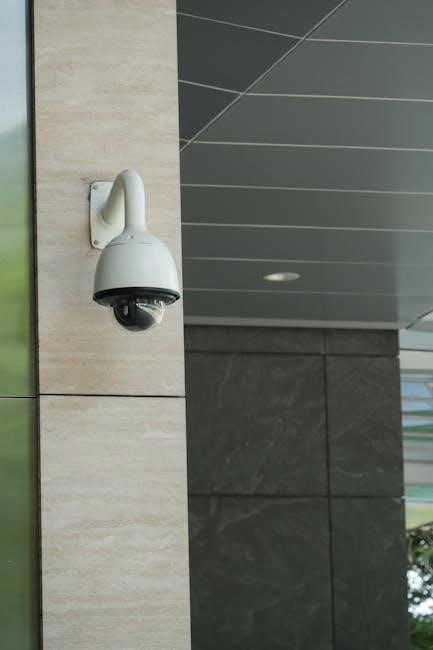
Sensors are crucial; wired and wireless options detect intrusions – doors‚ windows‚ motion. Detectors monitor environmental hazards like smoke and carbon monoxide. A key fob offers convenient remote arming/disarming.
Communication modules (cellular‚ Wi-Fi‚ landline) connect the system to monitoring centers. The system also features a Common Communication Link System for enhanced functionality. Proper understanding of each component is vital for effective system operation and maintenance.
Control Panels: Vista 15P & 20P
The Honeywell Vista 15P and 20P are central hubs managing your security. These panels support numerous zones‚ accommodating extensive sensor networks. They facilitate diverse communication paths – cellular‚ internet‚ or traditional phone lines – ensuring reliable alarm transmission.
Common functions include user code management‚ zone programming‚ and system testing. The panels integrate seamlessly with Honeywell’s suite of sensors and keypads. They offer robust features for customizing security protocols to fit individual needs.
Understanding the panel’s programming interface is key for advanced configuration. These systems are designed for professional installation and offer a high degree of reliability and scalability for comprehensive home protection.
Touchscreen Keypads: 6290W Series
Honeywell’s 6290W touchscreen keypads provide intuitive control over your security system. These keypads offer a user-friendly interface for arming‚ disarming‚ and managing system settings. They display system status‚ zone activity‚ and event history at a glance.
Customization options allow users to personalize the home screen with preferred icons. The 6290W series supports multiple user codes‚ enhancing security and access control. Note that Honeywell Home isn’t liable for lost personal data.
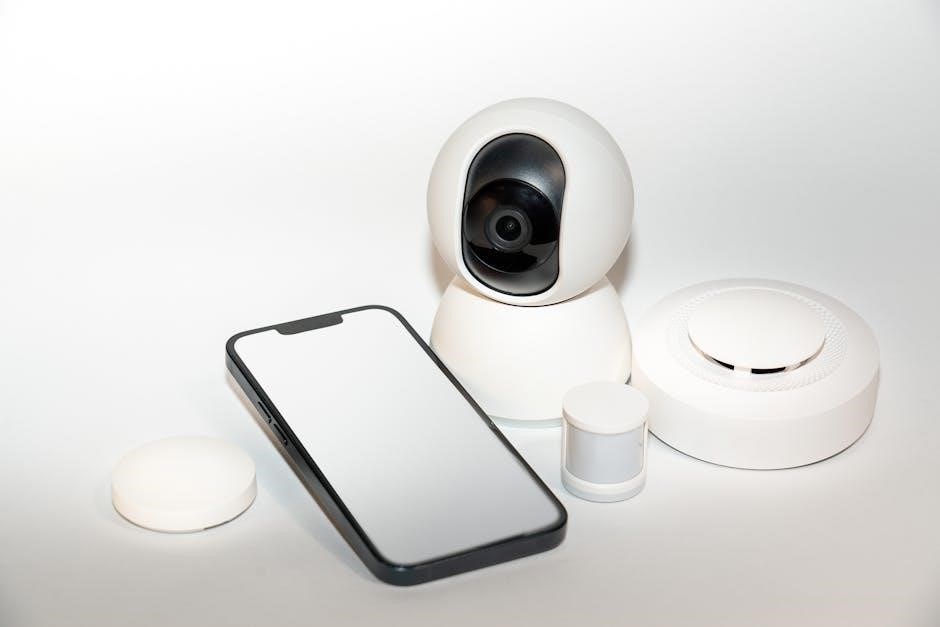
These keypads integrate seamlessly with Vista panels‚ offering a centralized point for system interaction. They simplify operation while providing comprehensive control over your home’s security.
Wireless Sensors & Detectors
Honeywell Home security systems utilize a range of wireless sensors and detectors to provide comprehensive protection. These include door and window contacts‚ motion detectors‚ and glass break sensors‚ all communicating wirelessly with the control panel.
Wireless technology simplifies installation‚ eliminating the need for extensive wiring. Sensors are battery-powered‚ requiring periodic maintenance. Proper sensor placement is crucial for optimal performance‚ ensuring reliable detection of intrusions.
The system supports numerous wireless devices‚ allowing for scalable security coverage. Wireless sensors offer flexibility and convenience‚ adapting to various home layouts and security needs. Regular testing ensures continued functionality.
Wired Sensors & Detectors
Honeywell Home security systems also support a variety of wired sensors and detectors‚ offering a robust and reliable security solution. These typically include door and window contacts‚ motion detectors‚ and glass break sensors‚ directly connected to the control panel via wiring.
Wired connections provide a stable and secure communication pathway‚ minimizing interference. While installation requires more effort than wireless options‚ wired sensors eliminate battery replacement concerns. They are ideal for critical areas requiring maximum reliability.
The system accommodates numerous wired zones‚ allowing for extensive security coverage. Proper wiring and termination are essential for optimal performance and preventing false alarms. Regular inspection of wiring ensures continued functionality.
Key Fob Operation
Honeywell Home key fobs provide convenient remote control of your security system. Typically‚ these fobs feature buttons for arming and disarming the system in Away‚ Stay‚ and Night modes. A panic button instantly triggers an alarm‚ summoning emergency assistance.
To operate‚ ensure the key fob is within range of the control panel’s receiver. Pressing the appropriate button initiates the desired action‚ confirmed by an audible beep or visual indicator on the panel. Key fobs simplify system control‚ especially when entering or leaving the premises.
Battery life varies; replace batteries when the range diminishes or operation becomes unreliable. Programming key fobs involves associating them with specific user codes within the system’s settings.
Mobile App Integration (Honeywell Home App)
The Honeywell Home app extends system control to your smartphone or tablet‚ offering remote access and management. Download the app from your device’s app store and follow the on-screen instructions to connect it to your Honeywell Home security panel.
Through the app‚ you can arm and disarm your system‚ view sensor status‚ receive real-time alerts‚ and manage user codes. The app also allows for remote control of connected home automation devices‚ if integrated.
Important Note: Honeywell Home is not responsible for any loss of personal information. Ensure your app and system firmware are updated for optimal security and functionality.
Remote Access & Control
Honeywell Home security systems offer robust remote access capabilities‚ primarily through the Honeywell Home mobile app. Once the app is linked to your system‚ you gain control from virtually anywhere with an internet connection.
Remote functions include arming/disarming the system in Away‚ Stay‚ or Night modes‚ bypassing individual sensors if needed‚ and viewing real-time system status. You can also receive instant notifications of alarms or system events directly on your mobile device.
Ensure secure access by using strong passwords and keeping your app updated. Remote access provides peace of mind‚ allowing you to monitor and manage your home’s security even when you’re away.
System Setup & Configuration
Initial setup involves activating the system‚ managing user codes‚ installing sensors‚ programming zones‚ and configuring communication methods like cellular or Wi-Fi.
Initial System Activation
Activating your Honeywell Home Security System requires careful attention to detail. Begin by powering on the control panel – typically the Vista 15P or 20P – and allowing it to complete its self-test sequence. This initial phase verifies the functionality of the core system components.
Next‚ establish a connection to the monitoring center‚ if applicable‚ following the instructions provided by your security provider. This ensures professional response in case of an alarm event. Crucially‚ set a master user code; this code grants full system control and should be memorized but kept confidential.
The system may prompt you to enter the current date and time‚ ensuring accurate event logging. Finally‚ confirm that the communication link – whether cellular‚ Wi-Fi‚ or landline – is functioning correctly. Successful completion of these steps signifies a properly activated system‚ ready for further configuration.
User Code Management
Effective user code management is paramount for Honeywell Home Security System security. The master user code‚ established during initial activation‚ allows complete system control‚ including adding‚ deleting‚ and modifying other user codes. Assign unique codes to each family member or trusted individual‚ avoiding easily guessable combinations like birthdays or addresses.
Different user codes can be assigned varying levels of access. For example‚ some users might have full arming/disarming privileges‚ while others may only be able to arm the system. Regularly review and update user codes‚ especially after a change in household members or potential security breaches.
Remember to document all assigned codes securely‚ separate from the system itself. Consider utilizing the system’s features to limit the number of incorrect code entry attempts to prevent unauthorized access.
Sensor Installation & Pairing
Proper sensor installation and pairing are crucial for a reliable Honeywell Home Security System. Begin by carefully selecting sensor locations‚ ensuring optimal coverage of entry points like doors and windows. Follow the manufacturer’s instructions for mounting‚ paying attention to wiring for wired sensors or battery installation for wireless devices.
Pairing wireless sensors typically involves entering the system’s programming mode and initiating a “learn” or “enroll” process. The control panel will then detect the sensor’s signal; Ensure sensors are within range during pairing.
After successful pairing‚ test each sensor to confirm proper communication with the control panel. Label each sensor clearly within the system’s programming for easy identification during zone configuration.
Zone Programming & Configuration
Zone programming defines how the system interprets signals from each sensor. Each sensor is assigned to a specific zone‚ allowing for customized responses to alarm events. Configuration involves defining the zone type – entry/exit‚ interior‚ or 24-hour – influencing arming behavior and alarm notifications.
Proper zone programming is vital for minimizing false alarms. Adjust sensitivity settings to avoid triggering alarms from pets or environmental factors. Configure bypass options to temporarily disable zones during normal activity‚ like opening a window.
The system allows for naming each zone for easy identification within the app and on the control panel. Accurate zone programming ensures the system responds appropriately to security breaches.
Communication Methods (Cellular‚ Wi-Fi‚ Landline)
Honeywell Home security systems utilize multiple communication paths for reliable alarm transmission. Cellular communication provides a secure‚ independent connection‚ unaffected by power outages or cut phone lines; Wi-Fi offers convenient connectivity for remote access and control via the Honeywell Home app‚ requiring a stable internet connection.
Traditional landline communication serves as a backup‚ though its reliability is diminishing. The system prioritizes communication methods‚ typically attempting cellular first‚ then Wi-Fi‚ and finally landline if configured.
Selecting the appropriate communication method(s) depends on your location and needs. Cellular is highly recommended for consistent protection‚ while Wi-Fi enhances user experience.

System Operation & Usage
Effectively utilize arming modes (Away‚ Stay‚ Night)‚ bypass sensors when needed‚ and understand alarm responses for optimal security and system functionality.
Arming & Disarming Modes (Away‚ Stay‚ Night)
Honeywell Home security systems offer versatile arming modes tailored to your needs. “Away” mode provides full perimeter protection when the residence is unoccupied‚ activating all sensors. “Stay” mode secures the perimeter while allowing movement inside‚ ideal for nighttime or when someone remains at home. It typically bypasses interior motion detectors.
“Night” mode is a customizable option‚ often arming specific zones like downstairs sensors while leaving others disarmed for convenience. Proper selection of these modes is crucial for effective security. Disarming requires entering a valid user code via the keypad or the Honeywell Home app. Always confirm complete disarming before entering or exiting‚ and familiarize yourself with the system’s audible cues indicating arming and disarming status.
Bypass Procedures for Sensors
Occasionally‚ a sensor may require temporary bypassing due to maintenance or accidental triggers. Honeywell Home systems allow for bypassing individual zones‚ effectively disabling their monitoring without disarming the entire system. This is typically achieved through the control panel or the Honeywell Home mobile app.
Access the zone programming menu and select the zone to bypass. Confirm the bypass action‚ noting that bypassed zones won’t trigger an alarm. Remember to reinstate bypassed zones promptly after resolving the issue. Frequent bypassing can compromise security‚ so address underlying problems quickly. Always document bypassed zones for awareness and maintain a secure environment.
Alarm Response & Procedures
Upon alarm activation‚ the system initiates a pre-programmed response sequence. This typically includes audible sirens‚ notification to a central monitoring station (if subscribed)‚ and alerts sent via the Honeywell Home app. Remain calm and verify the alarm’s legitimacy – false alarms can occur.
If the alarm is genuine‚ evacuate immediately following your pre-defined emergency plan. Do not attempt to investigate the cause yourself. The monitoring station will attempt to contact you and dispatch emergency services if necessary. Provide accurate information to authorities. Familiarize yourself with your system’s response protocols to ensure a swift and safe reaction during an actual event.
Troubleshooting Common Issues
Common issues include low battery warnings‚ sensor faults‚ and communication errors. For low batteries‚ replace them immediately to maintain system integrity. Sensor faults often indicate a loose connection or obstruction; inspect and reposition the sensor. Communication problems may stem from Wi-Fi disruptions or cellular signal weakness – check your network connection.
If the system displays an error message‚ consult the manual for specific troubleshooting steps. Restarting the control panel can often resolve minor glitches. If problems persist‚ contact your installer or Honeywell Home support for assistance. Regularly test your system to proactively identify and address potential issues before they escalate.
Advanced Features & Settings
Explore fire alarm integration‚ home automation‚ system logs‚ and firmware updates. Customize settings for optimal performance and security within your Honeywell system.
Fire Alarm System Integration (6700 Series)
Honeywell’s 6700 Series addressable fire alarm control panels seamlessly integrate with your home security system‚ providing a comprehensive life safety solution. This integration allows for centralized monitoring and control of both security and fire events. When a fire alarm is triggered‚ the security system can automatically notify the monitoring center‚ dispatch emergency services‚ and even unlock doors for easier egress.
The 6700 panel offers advanced features like zone identification‚ allowing precise location of the fire source; It supports a wide range of detectors‚ including smoke‚ heat‚ and carbon monoxide detectors‚ ensuring complete coverage. Proper installation and configuration are crucial for reliable operation; consult a qualified professional for assistance. Regular testing of both the fire alarm and security system integration is highly recommended to verify functionality and ensure peace of mind.
Smoke & Carbon Monoxide Detector Monitoring
Your Honeywell Home security system can be configured to monitor smoke and carbon monoxide (CO) detectors‚ providing crucial early warning in the event of a fire or dangerous CO levels. When a detector is triggered‚ the system immediately alerts the monitoring center‚ initiating a rapid response. This can include dispatching the fire department or other emergency services‚ potentially saving lives and minimizing property damage.
Ensure detectors are strategically placed throughout your home‚ following manufacturer guidelines. Regular testing of both smoke and CO detectors is vital to confirm proper functionality. The system logs all detector events‚ providing a history for review. Honeywell Home prioritizes safety; however‚ it’s essential to remember the system is a tool and doesn’t replace responsible home safety practices.
Home Automation Integration
Honeywell Home security systems offer seamless integration with various home automation devices‚ enhancing convenience and control. Connect compatible smart thermostats‚ lighting systems‚ and door locks to manage your home environment directly through the Honeywell Home app. This allows for automated actions based on system events – for example‚ automatically adjusting the thermostat when arming the system in ‘Away’ mode.
Explore features like remote control of lights to simulate occupancy while away‚ or locking doors upon arming. Integration expands beyond security‚ creating a truly smart home experience. Compatibility varies by device; consult the Honeywell Home website for a current list of supported products. Enjoy a unified‚ connected home managed effortlessly;
System Logs & Event History
Accessing system logs and event history provides valuable insights into your Honeywell Home security system’s activity. Through the Honeywell Home app or the system’s interface‚ you can review a detailed record of events‚ including arming/disarming times‚ sensor activations‚ alarm triggers‚ and communication events. This historical data is crucial for identifying patterns‚ troubleshooting issues‚ and verifying system performance.
Logs typically include timestamps and specific details about each event‚ aiding in investigations; Regularly reviewing these logs can help ensure the system is functioning correctly and identify any potential vulnerabilities. The retention period for event history may vary depending on your system configuration and service plan. Utilize this feature for enhanced security awareness.
Firmware Updates & Maintenance
Maintaining your Honeywell Home security system requires periodic firmware updates and routine checks. These updates‚ delivered through the Honeywell Home app or by a professional installer‚ enhance system performance‚ address security vulnerabilities‚ and introduce new features. It’s crucial to install updates promptly to ensure optimal protection.
Regular maintenance includes testing sensors‚ verifying communication links (cellular‚ Wi-Fi‚ landline)‚ and inspecting the control panel for any issues. Battery replacements for wireless sensors are also essential. Proper maintenance extends the lifespan of your system and guarantees reliable operation. Consult your installer or the Honeywell Home support website for detailed guidance on update procedures and maintenance schedules.
PROA7PLUS Series Specific Features
The Honeywell Home PROA7PLUS represents a significant advancement in home security technology. This system boasts an enhanced touchscreen interface displaying system status and arming options directly on the home screen. It offers advanced encryption protocols for heightened data security and supports a wider range of wireless devices.
Key features include a built-in Wi-Fi module‚ LTE cellular communication for backup‚ and compatibility with Honeywell Home’s mobile app for remote control and monitoring. The PROA7PLUS also provides improved zone programming capabilities and faster processing speeds. Its sleek design and user-friendly interface make it a premium choice for comprehensive home protection.
Common Communication Link System Features
Honeywell’s Common Communication Link System‚ particularly within the 6700 series‚ facilitates robust connectivity for fire alarm and security integration. This system employs both hardware and software components to ensure reliable communication between the control panel and connected devices‚ like addressable fire alarm controls.
Key features include advanced annunciation capabilities‚ allowing for detailed event reporting and zone identification. The system supports various communication pathways‚ enhancing redundancy and reliability. Software features enable customized configurations and streamlined system management. This integrated approach provides a unified platform for comprehensive life safety and security solutions‚ improving response times and overall system effectiveness.
Software Features Overview
Honeywell Home security systems boast a comprehensive suite of software features designed for intuitive operation and advanced control. These features‚ integral to the 6700 series and PROA7PLUS systems‚ enable users to customize system settings‚ manage user access‚ and monitor system events effectively;
The software facilitates zone programming‚ allowing for tailored sensor configurations and bypass procedures. Detailed system logs provide a historical record of events‚ aiding in troubleshooting and analysis. Furthermore‚ the Honeywell Home App integrates seamlessly‚ offering remote access and control capabilities. Regular firmware updates ensure optimal performance and security‚ while the software supports home automation integration for a truly connected experience.
Understanding System Status Displays
Honeywell Home security systems utilize clear and informative displays to communicate system status. The home screen‚ customizable with icons‚ presents arming options and overall system health at a glance. Displays indicate whether the system is armed (Away‚ Stay‚ or Night mode)‚ disarmed‚ or experiencing a fault.
Specific icons denote sensor status – secure‚ open‚ or bypassed. Alarm conditions are prominently displayed‚ along with zone information identifying the triggering sensor. The PROA7PLUS series offers enhanced visual cues and detailed event logs. Understanding these displays is crucial for effective system operation and rapid response to potential security breaches‚ ensuring peace of mind for homeowners.
Data Security & Privacy Considerations
Honeywell Home prioritizes the security of user data‚ but acknowledges inherent risks. The company explicitly states it is not responsible for loss of personal information – files‚ videos‚ or photos – stored or transmitted through the system. Users should implement strong passwords and regularly update firmware to mitigate vulnerabilities.
Data transmitted via cellular‚ Wi-Fi‚ or landline connections is subject to potential interception. Honeywell employs encryption protocols‚ but complete security cannot be guaranteed. Review the Honeywell Home privacy policy for detailed information on data collection and usage practices. Responsible system usage and awareness of these considerations are vital for protecting personal privacy.
Honeywell Home expressly disclaims any liability for the loss of personal information stored within or accessible through the security system. This includes‚ but isn’t limited to‚ files‚ videos‚ and photographs. Users are solely responsible for backing up critical data‚ as system failures‚ cyberattacks‚ or unforeseen events can result in permanent data loss.
The system’s functionality relies on consistent power and network connectivity; interruptions can compromise data integrity; While Honeywell implements security measures‚ complete protection against data loss is not guaranteed. Users acknowledge this risk by utilizing the Honeywell Home security system and should take proactive steps to safeguard their valuable information.
Customization of Home Screen Icons
The Honeywell Home security system allows for personalization of the home screen display. Users can modify the arrangement and selection of icons to prioritize frequently accessed functions. This customization enhances user experience and streamlines system operation. Note that the icons displayed in this manual serve as examples only; your system’s initial configuration may differ based on installer settings.
To customize‚ navigate to the settings menu within the Honeywell Home app or via the touchscreen keypad. From there‚ you can add‚ remove‚ or rearrange icons representing various system features‚ such as arming modes‚ sensor status‚ and automation controls. This flexibility ensures the interface reflects individual user preferences and needs.