Dryad 3․5 Monster Manual: A Comprehensive Guide
This manual details the elusive dryads for Dungeons & Dragons 3․5e, covering their ecology, abilities, combat, and lore for Game Masters and players alike․
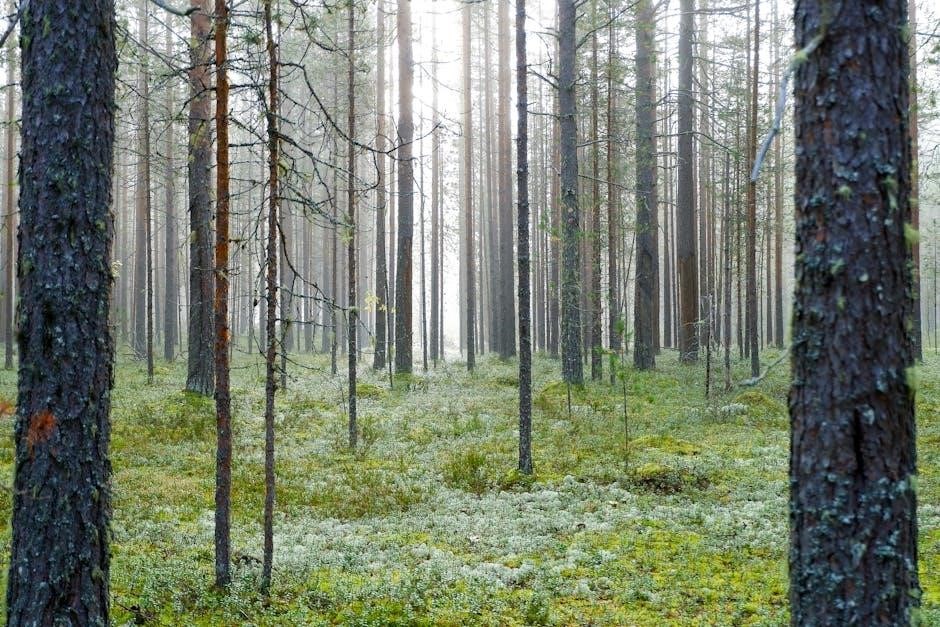
Dryads are captivating, yet reclusive, fey creatures intrinsically linked to the health and vitality of forests, particularly ancient oak trees․ Often appearing as strikingly beautiful female elves, their skin possesses a woody texture, and their hair resembles a vibrant, ever-changing canopy․
Generally solitary beings, though gatherings of up to seven have been observed, dryads communicate fluently in Common, Elven, and Sylvan․ They are intelligent, resolute, and prefer to avoid direct confrontation, utilizing their elusiveness and magical abilities to safeguard their woodland homes․ This manual provides a comprehensive overview for incorporating these fascinating entities into your Dungeons & Dragons 3․5e campaigns․
II․ Dryad Ecology and Habitat
Dryads are deeply interwoven with the ecosystems of ancient, thriving forests, acting as guardians and embodiments of the woodlands they inhabit․ Their existence is fundamentally tied to a specific, enormous oak tree, forming a symbiotic bond that dictates their range and well-being․
They prefer old-growth forests, untouched by significant civilization, where the natural magic remains potent․ While adaptable, dryads struggle in areas devoid of trees or heavily corrupted by unnatural forces․ They actively work to preserve the forest’s balance, cooperating with other sylvan creatures to defend against threats and nurture growth․
III․ Physical Characteristics & Appearance

Dryads possess a captivating beauty, closely resembling female elves in form, yet distinctly marked by their arboreal nature․ Their skin exhibits the texture and coloration of bark or fine wood, subtly shifting with the seasons․ A dryad’s hair flows like a vibrant canopy of leaves, mirroring the current foliage – green in spring, gold in autumn, and so on․
Their features are delicate and refined, radiating a natural grace․ They are generally slender and lithe, moving with an ethereal quality․ Though typically solitary, encounters of up to seven dryads in a single location, while rare, have been documented․
III․A․ General Appearance
A dryad’s most striking feature is her seamless blend of humanoid and plant life․ Her flesh appears as polished bark or exquisitely grained wood, often adorned with subtle leaf-like patterns․ Her eyes sparkle with the vibrant hues of forest gems – emerald, amber, or even sapphire․
Her hair cascades like a living waterfall of leaves, constantly changing color to reflect the seasons․ Dryads are typically slender and graceful, possessing an innate elegance in their movements․ They favor clothing woven from natural fibers, often adorned with flowers and vines, enhancing their connection to the woodlands․
III․B․ Variations: Darkwood Dryads
Darkwood Dryads represent a more militant and protective branch of their kin, fiercely dedicated to safeguarding the valuable darkwood trees․ Unlike their demure cousins, they possess a hardened resolve and a pragmatic approach to defense․ They exhibit a more austere appearance, with darker bark-like skin and hair resembling the somber hues of evergreen foliage․
These dryads often wear armor crafted from darkwood scales, providing protection comparable to leather, though they staunchly refuse to utilize traditional leather armor․ Their focus is solely on nurturing and defending their trees, displaying unwavering dedication to their duty․
IV․ Dryad Statistics & Abilities (3․5e)
Dryads, as presented for the 3․5 edition of Dungeons & Dragons, possess unique statistical attributes reflecting their connection to the natural world․ They receive a +2 bonus to Charisma and Dexterity, enhancing their social grace and agility․ Conversely, they suffer a -2 penalty to Strength and Intelligence, indicating a lesser focus on physical power and scholarly pursuits․
Furthermore, dryads are granted Darkvision, allowing them to see in dim light up to 60 feet․ However, they are afflicted by Light Sensitivity, becoming dazzled in bright sunlight or within the radius of a daylight spell․
IV․A․ Core Stats: Strength, Dexterity, Constitution, Intelligence, Wisdom, Charisma

Dryad statistics reveal their inherent strengths and weaknesses․ Their Strength score is typically lower, reflecting a preference for finesse over brute force․ Dexterity is heightened, granting agility and grace․ Constitution remains average, mirroring their resilience tied to their oak tree․
Intelligence is somewhat diminished, suggesting a focus on instinct and natural wisdom rather than academic learning․ Wisdom is moderate, representing their connection to the forest․ Most notably, Charisma receives a significant +2 bonus, embodying their enchanting nature and persuasive abilities․
IV․B․ Special Abilities: Darkvision & Light Sensitivity
Dryads possess remarkable adaptations to their woodland environments․ They are granted Darkvision, allowing them to perceive up to 60 feet in darkness – a crucial advantage within dense forests․ However, this gift comes with a trade-off: Light Sensitivity․
Specifically, dryads are dazzled by bright sunlight or the effects of a daylight spell․ This vulnerability impacts their combat effectiveness and overall awareness in open, illuminated areas․ Understanding this balance is key to portraying their strengths and limitations accurately during gameplay․
V․ Dryad Combat Tactics
Dryads generally avoid direct confrontation, preferring to utilize their intelligence and elusiveness․ When forced to fight, they prioritize defense and misdirection, employing their spell-like abilities to charm or disorient opponents․ They’ll attempt to lure enemies away from their sacred groves, utilizing the terrain to their advantage․
A dryad might investigate a stranger with curiosity, potentially attempting to charm them․ They excel at hit-and-run tactics, relying on ranged attacks and swift movements․ Direct melee combat is a last resort, as their physical strength is relatively low․
VI․ Dryad Spell-Like Abilities
Dryads possess innate magical capabilities, manifesting as spell-like abilities․ Most notably, they can cast Charm Person up to three times daily, requiring a Will save (DC 15) to resist its effects for four hours․ This ability reflects their inclination towards diplomacy and subtle manipulation, often used to dissuade intruders rather than engage in direct conflict․
These abilities are not learned through study but are a natural extension of their connection to the forest․ While Charm Person is their primary spell-like ability, other minor magical effects may be present depending on the dryad’s age and power․
VI․A․ Charm Person (3 times per day)
The Charm Person spell-like ability is central to a dryad’s interaction with outsiders․ Functioning as a 4th-level sorcerer’s casting, it allows the dryad to make a creature regard her as a trusted friend․ A successful Will save (DC 15) negates the effect, but failure results in being charmed for a duration of four hours․
Dryads utilize this ability not for malicious purposes, but to de-escalate potentially harmful situations, guiding individuals away from sensitive areas or persuading them to leave the forest peacefully․ It’s a testament to their preference for subtlety over confrontation․
VII․ Dryad Symbiosis & Weaknesses
Dryads exist in a profound symbiotic relationship with a specific, ancient oak tree, forming a mystical bond that defines their existence․ They cannot stray further than 300 yards from their tree without suffering debilitating illness, ultimately leading to death․ This connection is the source of their life force and power․
However, this symbiosis is also a significant weakness․ Damage to the oak directly impacts the dryad, and the tree’s destruction means the dryad’s demise․ Furthermore, dryads are vulnerable to bright sunlight and daylight spells, becoming dazzled and impaired․
VII․A․ The Oak Tree Bond (Symbiosis)
Each dryad shares a supernatural, unbreakable link with a single, immense oak tree, representing a core aspect of their being․ This isn’t merely a protective relationship; it’s a fundamental connection where the tree’s health directly influences the dryad’s vitality․ The dryad draws sustenance and magical power from the oak, and in turn, safeguards it․
This bond restricts the dryad’s movement, preventing them from venturing more than 300 yards from their tree․ Violating this distance initiates a rapid decline, culminating in death․ The oak serves as an anchor, a lifeline, and a sacred focus for the dryad’s existence․
VII․B․ Vulnerabilities & Limitations
Despite their magical prowess and connection to nature, dryads possess distinct weaknesses; Bright sunlight or the effect of a daylight spell severely hinders them, causing dazzlement and impairing their vision․ This sensitivity stems from their woodland origins and adaptation to shaded environments․
Furthermore, the oak tree bond is a significant vulnerability․ Damage to the tree directly impacts the dryad, and its destruction results in her demise․ Separating a dryad from her oak leads to a swift and inevitable decline, highlighting the symbiotic nature of their existence․
VIII․ Dryad Society & Behavior
Dryads are generally solitary creatures, deeply connected to their individual oak trees and the surrounding woodland․ However, gatherings of up to seven dryads have been observed, though these are rare occurrences, often prompted by significant threats to the forest․ They exhibit a shy and intelligent nature, preferring to avoid direct confrontation․
Instead, dryads utilize their charm and illusions to influence outsiders, subtly guiding them away from sensitive areas or attempting to understand their intentions․ They are resolute defenders of their homes, working alongside other sylvan beings to maintain the forest’s balance․
IX․ Dryad Relationships with Other Creatures
Dryads frequently collaborate with other protectors of the woodlands, forging strong alliances with creatures sharing their devotion to the natural world․ Unicorns, renowned for their purity and grace, are often found in their company, as are the ancient and powerful treants, guardians of the deep forests․
Satyrs, with their playful nature and connection to wild magic, also find common ground with dryads․ Perhaps most importantly, druids, who revere the balance of nature, are welcomed allies, sharing knowledge and working together to safeguard the forests from harm․
IX․A․ Allies: Unicorns, Treants, Satyrs, Druids
Unicorns represent purity and are natural allies, often aiding dryads in defending sacred groves․ Treants, ancient tree-herds, provide immense strength and wisdom, acting as steadfast protectors alongside the dryads․ Satyrs, mischievous yet loyal, offer swift scouting and diversionary tactics․
Druids, sharing a deep reverence for nature, are invaluable partners, offering magical support and understanding of the forest’s delicate balance․ These alliances are built on mutual respect and a shared commitment to preserving the woodlands from encroachment and corruption, creating a powerful network of defense․
X․ Dryad Lore & Roleplaying Notes
Dryads are deeply connected to their trees, embodying the forest’s spirit․ When roleplaying, emphasize their cautious nature and inherent shyness, yet resolute defense of their home․ A dryad might investigate beauty, attempting to charm individuals, but always with the forest’s well-being in mind․
Remember their elusiveness and intelligence; they aren’t easily tricked․ Focus on their woodland magic and subtle influence․ Consider their perspective – outsiders are often threats․ Portray a blend of grace, wisdom, and a quiet, unwavering determination to protect their ancient woods․
XI․ Dryad Treasure & Equipment
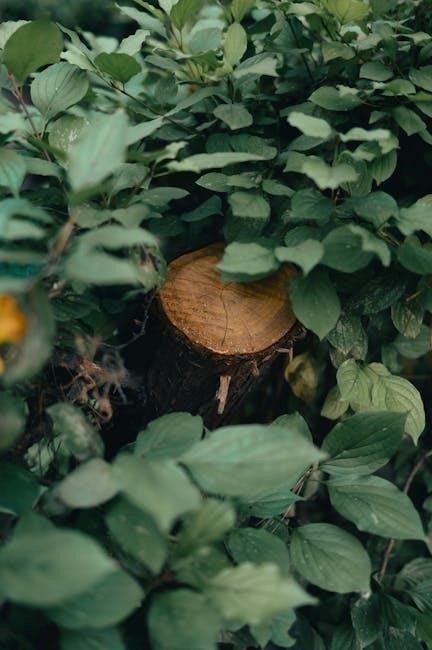
Dryads rarely accumulate traditional treasure, valuing the forest’s bounty over material wealth․ Recovered items are typically natural components – rare herbs, polished stones, or intricately woven vines․ Darkwood Dryads might possess darkwood scale shirts, providing leather armor-equivalent protection (210 gp value), but refuse leather itself․
Occasionally, offerings left by grateful druids or woodland creatures are found․ These could include potions of healing, scrolls related to nature magic, or finely crafted wooden instruments․ Expect no gold or gems; a dryad’s wealth lies in the health and vitality of her tree and forest․
XII․ Darkwood Dryad Specifics
Darkwood Dryads represent a more militant facet of their kin, fiercely dedicated to protecting darkwood trees from exploitation․ Unlike their demure counterparts, they possess two levels of fighter, enhancing their combat prowess․ They prioritize defense, wearing darkwood scale shirts – subpar wooden armor equivalent to leather․
These dryads shun leather, viewing it as a product of unnecessary harm․ Their focus is solely on nurturing and safeguarding the darkwood, making them formidable guardians․ Expect a resolute and aggressive demeanor, a stark contrast to the typical dryad’s elusive nature․
XII․A․ Fighter Levels & Combat Prowess
Darkwood Dryads distinguish themselves through the acquisition of two fighter levels, a significant departure from the typical dryad’s reliance on spell-like abilities and charm․ This grants them enhanced combat capabilities, including improved attack rolls, damage, and hit points․ They are not merely protectors of the forest, but active warriors․

These levels reflect a dedicated training regimen focused on defending their sacred darkwood trees․ Expect a more aggressive and proactive approach to encounters, utilizing melee combat effectively․ Their fighter levels make them a tangible threat, capable of holding their own against seasoned adventurers․
XII․B․ Armor & Weapon Preferences
Darkwood Dryads demonstrate a strong aversion to leather armor, stemming from a reverence for living materials and a disdain for products derived from animal hides․ Instead, they favor darkwood scale shirts, crafted from the very trees they protect․ This provides protection comparable to leather armor, offering a reasonable defense without compromising their principles․
Weapon preferences lean towards those naturally sourced or easily crafted from wood – spears, clubs, and scimitars are common choices․ They avoid metal weaponry whenever possible, believing it disrupts the natural harmony of the forest․ Their equipment reflects a commitment to sustainability and a deep connection to their woodland home․

XIII․ Dryad Variations by Region (Yagure Mori Example)
The Dryads of Yagure Mori exhibit unique characteristics shaped by their environment․ These dryads are renowned for their exceptional beauty and grace, embodying the region’s ethereal quality․ However, this elegance comes at a cost; they possess diminished physical strength and a slight reduction in intelligence compared to dryads from other forests․
Furthermore, Yagure Mori dryads suffer from light sensitivity, becoming dazzled by bright sunlight or the effects of daylight spells․ This adaptation reflects the perpetually shadowed nature of their forest home, influencing their behavior and combat tactics․
XIV․ Encounter Ideas & Adventure Hooks
A charmed traveler wanders aimlessly, guided by a dryad seeking companionship, potentially leading the party on a wild goose chase or into a dangerous situation․ Alternatively, the party might be tasked with investigating a blight affecting a dryad’s oak, uncovering a plot by loggers or malicious fey․
Another hook involves mediating a dispute between a dryad and a nearby village, stemming from resource conflicts or misunderstandings․ Players could also stumble upon a darkwood dryad defending her tree from poachers, forcing them to choose sides in a moral dilemma․
XV․ Dryad Templates & Advanced Dryads
Experienced adventurers might encounter ‘Ancient Dryads’, possessing enhanced spell-like abilities and greater resilience, potentially gaining levels in druid or ranger classes․ A ‘Darkwood Guardian’ template could bestow fighter levels and improved combat prowess, reflecting a dryad wholly dedicated to defense․
Consider a ‘Withered Dryad’ template, representing a dryad whose oak is dying, granting vulnerability to fire but increased desperation and cunning․ These templates offer customization, allowing GMs to create unique dryad encounters beyond the standard monster manual entry, adding depth to the forest’s guardians․
XVI․ Dryad in the Ecosystem
Dryads are integral to forest health, acting as guardians and subtle manipulators of growth․ Their symbiotic link to oak trees extends to the surrounding flora and fauna, fostering biodiversity․ They often collaborate with unicorns, treants, and satyrs, maintaining a delicate balance within the woodland․
A decline in dryad populations signals ecological distress, potentially caused by deforestation or corruption․ Conversely, thriving dryads indicate a healthy, vibrant forest․ Understanding this connection allows GMs to weave dryad encounters into broader environmental narratives, emphasizing the importance of preservation․
XVII․ Dryad Alignment & Motivation
Dryads are typically Neutral Good, driven by a fierce devotion to their oak tree and the surrounding forest․ Their actions prioritize preservation and defense against threats, often leading them to distrust outsiders․ While generally peaceful, they will resolutely defend their home, employing charm and subtle manipulation before resorting to direct combat․
However, Darkwood Dryads exhibit a more stringent, even Lawful Neutral alignment, focused solely on protecting their specific darkwood trees․ Their motivations are less about overall forest health and more about the survival of their designated charge, making them potentially ruthless․
XVIII․ Dryad Illustrations & Visual References
Visualizing dryads requires capturing their ethereal beauty and connection to nature․ Imagine a humanoid form with bark-like skin, subtly textured and colored like various wood types – birch, oak, or willow․ Their hair cascades like vibrant leaves, shifting hues with the seasons, from spring greens to autumnal reds and golds․
Facial features should be delicate, elven-like, yet possessing a wild, untamed quality․ Darkwood Dryads contrast with darker, almost shadowed skin tones and hair resembling evergreen boughs․ References to pre-Raphaelite paintings and depictions of forest spirits offer strong inspiration․