Reno Antenna TV Guide: A Comprehensive Overview (Updated March 31, 2026)
Reno, “The Biggest Little City,” offers diverse entertainment, and this guide details accessing free Over-the-Air (OTA) television signals as of today, March 31, 2026.
Understanding Over-the-Air (OTA) TV in Reno
Over-the-Air (OTA) television refers to receiving digital television signals broadcast from local stations using an antenna. This is a completely free alternative to cable or streaming services, offering access to networks like ABC, CBS, NBC, PBS, and more, depending on your location and antenna setup in Reno.
Unlike older analog signals, today’s digital signals provide a clearer picture and better sound quality. The availability of channels and signal strength varies based on factors like distance from broadcast towers, terrain, and obstructions. Reno’s unique geographical location, nestled near the Nevada-California border, presents both opportunities and challenges for OTA reception. Understanding these factors is crucial for maximizing your viewing experience. This guide will help you navigate the Reno TV landscape and optimize your antenna setup.
Reno’s Digital TV Landscape
Reno’s digital TV landscape is characterized by a mix of locally owned and network-affiliated stations broadcasting across the VHF and UHF frequency bands. The transition to digital broadcasting has significantly improved signal quality and channel capacity compared to the analog era. However, reception can still be affected by Reno’s terrain and distance from transmission towers.
Several stations serve the Reno market, offering a diverse range of programming, including local news, sports, and entertainment. Popular day trip destinations like Virginia City, Carson City, and Lake Tahoe can experience varying signal strength due to their geographical locations. Understanding the specific frequencies and broadcast locations is key to optimizing your antenna setup for the best possible viewing experience in and around Reno.
Available Channels in Reno via Antenna
As of March 31, 2026, viewers in Reno can typically receive a variety of channels over-the-air, including major networks like ABC, CBS, NBC, and FOX. PBS and its affiliated stations also provide educational and cultural programming. Additionally, several independent stations and multicast channels offer diverse content options.
Channel availability can fluctuate based on factors like antenna placement, signal strength, and atmospheric conditions. While a comprehensive list requires a current rescan, common channels include KRNV (NBC), KTVN (CBS), KOLO (ABC), and KRXI (FOX). Exploring resources like AntennaWeb.org and the FCC’s DTV Reception Maps will provide a personalized channel prediction based on your specific Reno location.
Channel Reception Factors in Reno
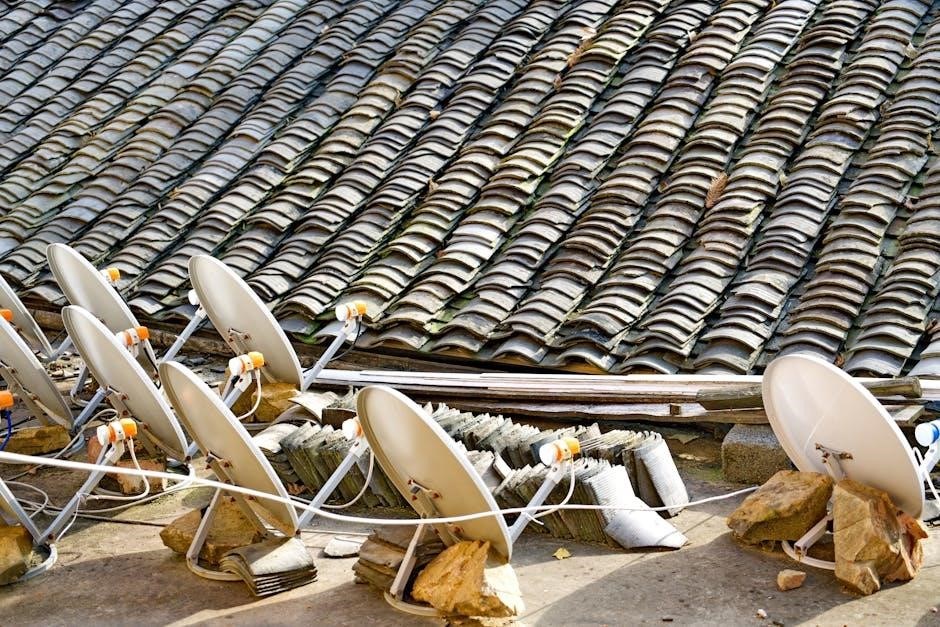
Successful OTA reception in Reno hinges on several key factors. Distance from broadcast towers significantly impacts signal strength; the further you are, the weaker the signal. Terrain and obstructions, like mountains and buildings, can block or reflect signals, creating “shadow zones.” Even trees can interfere.
Crucially, your antenna type and placement matter. Indoor antennas work best in urban areas with strong signals, while outdoor antennas maximize range; Higher placement generally improves reception. Day trips to nearby areas like Virginia City, Carson City, or Lake Tahoe may present unique reception challenges due to varied terrain and distance from Reno’s broadcast sources.
Distance from Broadcast Towers
Reno’s OTA signal strength is directly correlated to your distance from local broadcast towers. Signals weaken with distance, requiring a more powerful antenna or amplifier. Residences further from these towers, particularly those venturing towards day trip destinations like Virginia City or Lake Tahoe, will likely experience diminished signal quality.
Generally, within a 35-mile radius of Reno, a decent signal is achievable with a quality antenna. Beyond that, signal propagation becomes increasingly challenging. Understanding your specific distance is the first step in determining the appropriate antenna setup for reliable viewing. Online tools, like those mentioned in the resources section, can help pinpoint tower locations and distances.
Terrain and Obstructions
Reno’s unique geography, nestled in the foothills of the Sierra Nevada, presents signal reception challenges. Mountains, hills, and even dense tree cover can obstruct OTA signals, creating “shadow zones” where reception is weak or nonexistent. Buildings, especially those constructed with metal or concrete, also act as barriers.
Even relatively short distances from broadcast towers don’t guarantee a strong signal if significant obstructions are present. Locations near Lake Tahoe, for example, are prone to signal blockage due to the surrounding mountains. Careful antenna placement, potentially higher and with a clear line of sight, is crucial to overcome these obstacles and maximize signal strength.
Antenna Type and Placement
Selecting the right antenna and its placement are vital for optimal reception in Reno. Indoor antennas are suitable for urban areas with strong signals, but performance diminishes with distance and obstructions. Outdoor antennas, mounted on roofs or masts, offer significantly improved range and signal strength.
Directional antennas focus on signals from specific broadcast towers, ideal if most channels originate from one location. Omni-directional antennas receive signals from all directions, useful for diverse channel lineups. Higher antenna placement generally improves reception, minimizing obstructions. A clear line of sight to broadcast towers is paramount for a stable, high-quality signal.
Recommended Antennas for Reno Reception
Reno’s varied terrain necessitates careful antenna selection. For urban dwellers with close proximity to towers, a flat, indoor antenna like the Winegard Flatwave Amped is a cost-effective solution. Those further out, or experiencing signal challenges, should consider outdoor options.
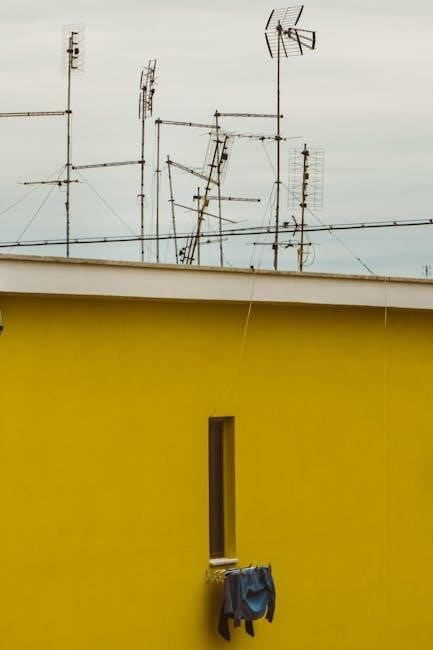
The Channel Master Deluxe Outdoor Antenna provides excellent range and reception, while the Antennas Direct ClearStream 4MAX is a powerful directional choice. Proper placement – elevated and with a clear line of sight – is crucial. Amplified antennas can boost weak signals, but avoid over-amplification, which can cause interference.
Indoor Antennas: Best for Urban Areas
Reno’s central areas generally benefit from strong broadcast signals, making indoor antennas a practical choice for many residents. These antennas are discreet, easy to install, and affordable. Popular options include the Winegard Flatwave Amped, known for its compact design and amplified signal reception, and the Mohu Leaf Metro, ideal for smaller spaces.
Placement is key; position the antenna near a window, preferably facing the broadcast towers. Experiment with different locations to optimize reception. While convenient, indoor antennas may struggle with distance or obstructions, so consider an outdoor antenna if experiencing consistent signal issues.
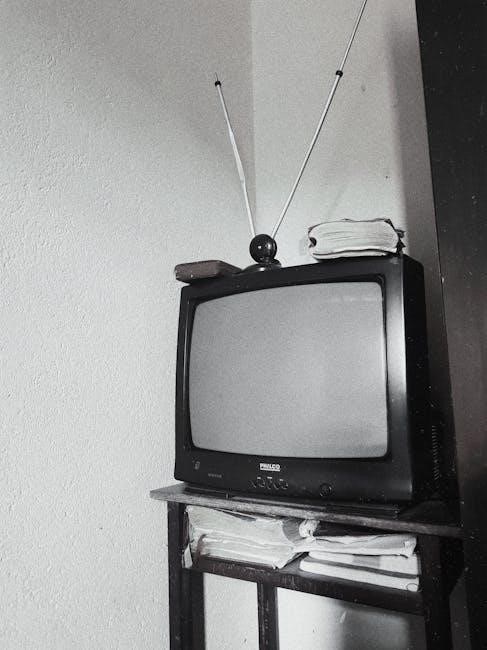
Outdoor Antennas: Maximizing Range and Signal
For Reno residents further from broadcast towers, or those facing significant obstructions like mountains or trees, outdoor antennas are essential. These antennas offer superior range and signal strength compared to indoor models. Options include Yagi-Uda antennas, directional and powerful, and log-periodic antennas, offering wider bandwidth and reception from multiple directions.
Proper installation is crucial; mounting the antenna high and clear of obstacles maximizes performance. Consider a rotor to adjust the antenna’s direction for optimal signal capture. While requiring more effort to install, outdoor antennas provide the most reliable OTA TV experience, especially for accessing a wider range of channels.
Popular Day Trip Destinations & TV Signal Considerations
Reno’s proximity to diverse destinations like Virginia City, Carson City, and Lake Tahoe makes for popular day trips. However, venturing outside Reno impacts Over-the-Air (OTA) TV reception. Virginia City, with its historical setting, presents potential signal challenges due to mountainous terrain obstructing broadcast paths;
Carson City, being relatively close, may offer a different reception profile, potentially receiving signals from both Reno and Sacramento markets. Lake Tahoe’s scenic beauty is often coupled with signal obstructions from surrounding mountains, necessitating a more powerful antenna or adjusted positioning for reliable viewing. Always rescan for channels upon arrival.
Virginia City: Historical Charm & Potential Signal Challenges
Virginia City, a historic mining town near Reno, offers a captivating glimpse into the Old West. However, its unique geography presents significant challenges for Over-the-Air (OTA) television reception. Nestled within the steep Comstock Lode hills, the town is heavily shadowed by mountains, creating substantial obstructions to broadcast signals originating from the Reno broadcast towers.
Expect weakened signals and potential multi-path interference. An outdoor, high-gain antenna, strategically positioned above rooftops, is almost essential. Even then, reliable reception isn’t guaranteed. Consider signal boosters, but be mindful of potential noise amplification. Rescanning frequently is crucial.
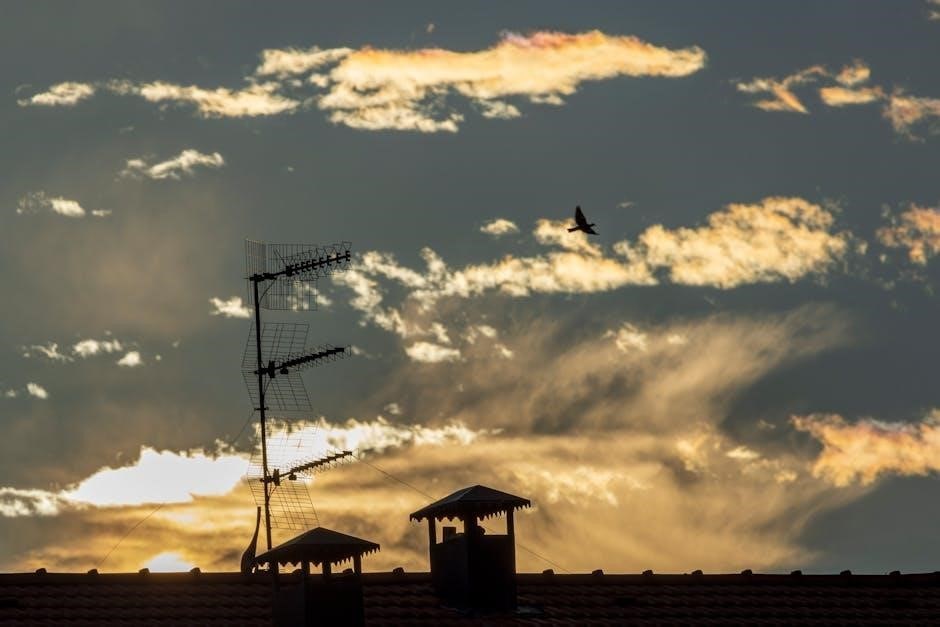
Carson City: Nearby City with Unique Reception
Carson City, situated southeast of Reno, presents a distinct Over-the-Air (OTA) television reception profile. While closer to some California broadcast sources, its position within the Carson Valley can create signal reflections and null spots. The valley’s topography, though less severe than Virginia City’s, still introduces reception complexities.
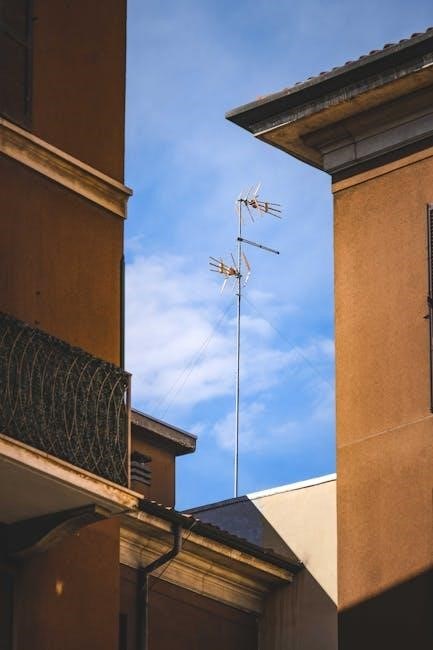
Generally, Carson City residents experience better reception than those in heavily obstructed areas closer to Reno. A directional outdoor antenna pointed towards the primary broadcast sources is recommended. Indoor antennas may suffice in areas with strong signals, but performance can vary. Regular channel rescanning is advised to optimize reception.
Lake Tahoe: Scenic Beauty & Signal Obstructions
Lake Tahoe’s stunning scenery unfortunately creates significant challenges for Over-the-Air (OTA) television reception. The mountainous terrain surrounding the lake frequently blocks broadcast signals, leading to weak or nonexistent reception in many areas. Signal diffraction and reflection off the water can also cause interference and ghosting.
A high-gain, directional outdoor antenna, professionally installed at the highest possible point, is almost essential for reliable viewing. Indoor antennas are generally ineffective due to the obstructions. Careful antenna placement and aiming are crucial. Expect to experiment with positioning to find the optimal signal. Signal boosters may offer limited improvement, but cannot overcome complete blockage.
Scanning for Channels: A Step-by-Step Guide
After connecting your antenna, initiate a channel scan on your TV. Access the “Menu” or “Settings” and locate the “Channel Scan,” “Auto Program,” or similar option. Select “Air” or “Antenna” as the source. The TV will automatically search for available digital channels.
The scan duration varies, typically taking 15-30 minutes. Rescan periodically, especially after weather changes or antenna adjustments, as channel lineups can shift. Some TVs allow for manual channel tuning if the auto scan misses stations. Ensure your antenna is securely connected during the scan. A successful scan populates your channel guide with receivable broadcasts.
Troubleshooting Reception Issues
Poor reception can stem from several factors. First, identify potential signal interference sources – electronics, LED lights, or even certain building materials. Try relocating the antenna away from these. If using an antenna amplifier, ensure it’s correctly installed and powered. Over-amplification can degrade signal quality.
Rescan channels after any adjustments. Check cable connections for tightness. Experiment with antenna positioning – even small changes can significantly impact reception. Consider weather conditions; atmospheric disturbances can temporarily affect signals. If issues persist, consult online resources or a professional installer for further assistance.
Signal Interference Sources
Numerous sources can disrupt OTA signals in Reno. Common culprits include electronic devices like microwaves, routers, and even some older televisions. LED lighting, while energy-efficient, can also generate interference. Building materials – metal siding, foil-backed insulation, and concrete – can block or reflect signals, weakening reception.
External factors play a role too. Atmospheric conditions and solar flares can temporarily impact signal strength. Identifying and mitigating these interference sources is crucial for optimal viewing. Try repositioning your antenna or shielding it from potential disruptors to improve signal clarity and reduce pixelation.
Amplifier Usage: When and How
Antenna amplifiers boost weak signals, but aren’t always necessary in Reno. If you’re close to broadcast towers and receive a decent signal, an amplifier might introduce noise and reduce picture quality. However, for those further away, or with significant obstructions, an amplifier can be beneficial.
Choose a low-noise amplifier (LNA) to minimize interference. Distribute amplifiers are useful for splitting signals to multiple TVs. Proper installation is key; excessive amplification can overload the tuner. Experiment with and without an amplifier to determine if it improves your reception – sometimes, a better antenna placement is more effective.
Reno TV Market Overview
Reno, Nevada, situated along the California border, is served by several broadcast networks offering diverse programming options via antenna. As “The Biggest Little City in the World,” Reno’s media landscape caters to a broad audience. The market benefits from proximity to both Reno and Sacramento, California, stations, expanding channel availability.
Local channels provide news, entertainment, and emergency information. Digital television (DTV) transitioned years ago, offering improved picture and sound quality. Understanding signal strength and potential interference is crucial for optimal OTA reception. Regularly scanning for channels ensures you receive the latest offerings.
Local Reno Broadcast Tower Locations
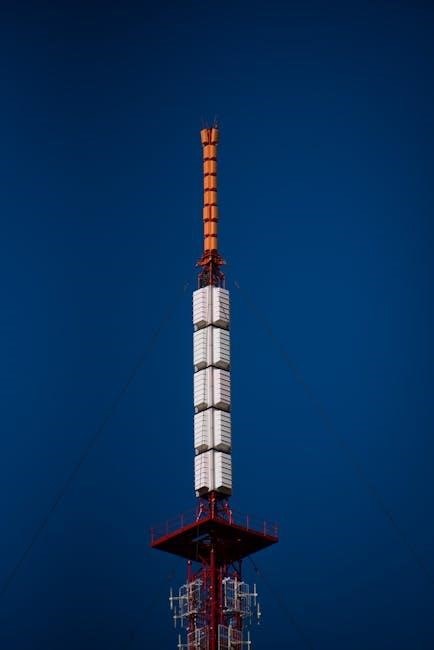
Pinpointing broadcast tower locations is vital for maximizing OTA signal reception in Reno. While specific coordinates aren’t publicly detailed in readily available sources, major networks generally broadcast from sites surrounding the Reno-Sparks metropolitan area. These locations are strategically chosen to provide coverage across Washoe County and surrounding regions.
Understanding the general direction of these towers – often south and east of Reno – aids in antenna placement. Utilizing online tools like FCC’s DTV Reception Maps (detailed elsewhere in this guide) can offer approximate tower locations. Terrain and obstructions significantly impact signal strength, making precise tower knowledge beneficial for optimal setup.
Channel Frequency Charts for Reno
Detailed, up-to-the-minute channel frequency charts for Reno are dynamic and subject to change due to FCC regulations and broadcaster adjustments. As of March 31, 2026, accessing precise frequencies requires utilizing resources like the FCC’s DTV Reception Maps and AntennaWeb.org (detailed in the Resources section). These tools provide personalized channel listings based on your specific Reno location.
Generally, frequencies fall within the VHF and UHF bands. However, relying on outdated charts is unreliable. Online tools automatically update with the latest broadcast information, ensuring accurate tuning for your antenna. Regularly checking these resources guarantees optimal channel reception and a comprehensive viewing experience.
Resources for Reno TV Signal Information
For the most accurate and current data regarding Reno’s digital TV signal, several online resources are invaluable. The FCC’s DTV Reception Maps (detailed at fcc.gov) provide predictive coverage areas based on your address, indicating signal strength and potential obstructions. AntennaWeb.org is another crucial tool, offering customized channel lists and recommended antenna types tailored to your specific location within Reno and surrounding areas.
These resources dynamically update with broadcaster changes, ensuring you have the latest information. Utilizing both tools provides a comprehensive understanding of the Reno TV landscape, maximizing your OTA reception success. Remember to input your precise address for the most accurate results.
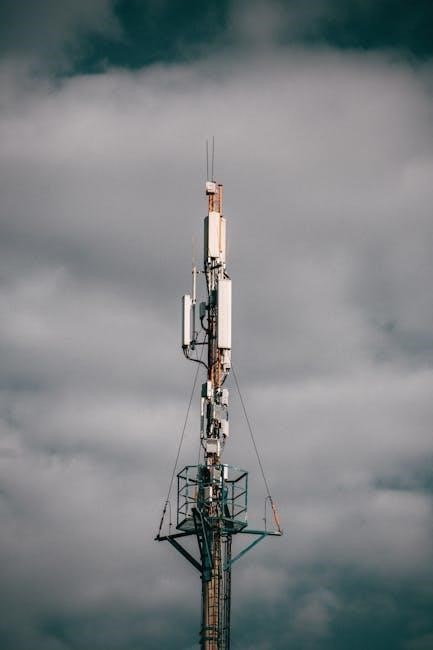
FCC’s DTV Reception Maps
The Federal Communications Commission (FCC) provides detailed DTV Reception Maps, a cornerstone resource for Reno residents exploring OTA television. These maps, accessible through the FCC website (fcc.gov), predict signal coverage based on your precise address and terrain data. They visually represent signal strength, indicating areas likely to receive reliable reception from each broadcast tower serving Reno.
Understanding the color-coded zones – representing strong, moderate, and weak signal areas – is crucial. The FCC maps are regularly updated to reflect changes in broadcast power or tower locations, ensuring accuracy. While predictive, they offer a valuable starting point for assessing your potential OTA TV options in Reno.
AntennaWeb.org

AntennaWeb.org serves as another excellent, free resource for Reno viewers planning their OTA setup. This website allows users to input their exact location to generate a customized channel list and recommended antenna types. Unlike the FCC maps, AntennaWeb provides specific antenna suggestions – indoor, outdoor, or amplified – tailored to your reception needs.
It details the distance and direction to each broadcast tower, aiding in precise antenna aiming. AntennaWeb also offers a signal intensity prediction, indicating the likelihood of receiving each channel clearly. Remember to verify the information with real-world testing, as terrain and obstructions can affect actual reception in Reno’s varied landscape.
Comparing Reno TV Options: Antenna vs. Cable/Streaming
Reno residents have multiple TV options: free Over-the-Air (OTA) antenna TV, traditional cable, and various streaming services. Antennas offer a one-time investment for access to local channels – news, sports, and entertainment – in potentially superior picture quality. Cable provides a wider channel selection but incurs monthly fees.
Streaming services like Netflix, Hulu, and Sling TV offer on-demand content and live TV packages, also with monthly subscriptions. OTA signals are susceptible to interference, while cable and streaming offer consistent delivery. Ultimately, the best choice depends on viewing habits and budget. Combining an antenna for local channels with a streaming service can provide a cost-effective, comprehensive solution.

Gràcia, Barcelona ⸺ A Distraction? (Why it’s irrelevant to Reno TV)
While Gràcia, a charming neighborhood in Barcelona, boasts artistic flair and a unique community spirit, its relevance to Reno’s television reception is nonexistent. Discussions of Gràcia’s vibrant squares, restaurants, and cultural events offer no insight into Nevada’s digital TV landscape or broadcast tower locations.
Focusing on Barcelona’s neighborhoods distracts from crucial factors impacting Reno OTA signals: distance from towers, terrain obstructions, and antenna selection. Understanding Reno’s specific broadcasting environment is paramount, not exploring European districts. This section serves to explicitly acknowledge and dismiss irrelevant information, keeping the focus firmly on Reno antenna TV.
OPPO Reno Phones ⸺ Completely unrelated to Reno TV
The OPPO Reno series of smartphones, lauded for their design, camera capabilities, and processors like the Dimensity 8200 or Snapdragon 8 Gen 1, have absolutely no bearing on television reception in Reno, Nevada. Discussions surrounding these mobile devices – their offline retail focus or specific model features – are entirely tangential to the topic of Over-the-Air (OTA) television.
Analyzing smartphone specifications or purchase advice offers zero value to someone seeking to optimize their antenna setup or troubleshoot signal issues. This section explicitly clarifies that information concerning OPPO Reno phones is irrelevant and serves only to reinforce the guide’s focused scope on Reno’s TV broadcasting environment.
Future of OTA TV in Reno
The future of Over-the-Air (OTA) television in Reno appears stable, though evolving. While cord-cutting trends continue, reliable access to local channels remains a significant draw for many residents. The ongoing digital transition ensures clearer picture and sound quality, provided reception conditions are favorable.
However, potential shifts in broadcast standards or spectrum reallocation by the FCC could impact channel availability. Staying informed about these developments is crucial. Advancements in antenna technology may also offer improved reception, particularly in challenging terrain. Despite the rise of streaming, OTA TV provides a valuable, free alternative for accessing local news, sports, and entertainment in Reno.